
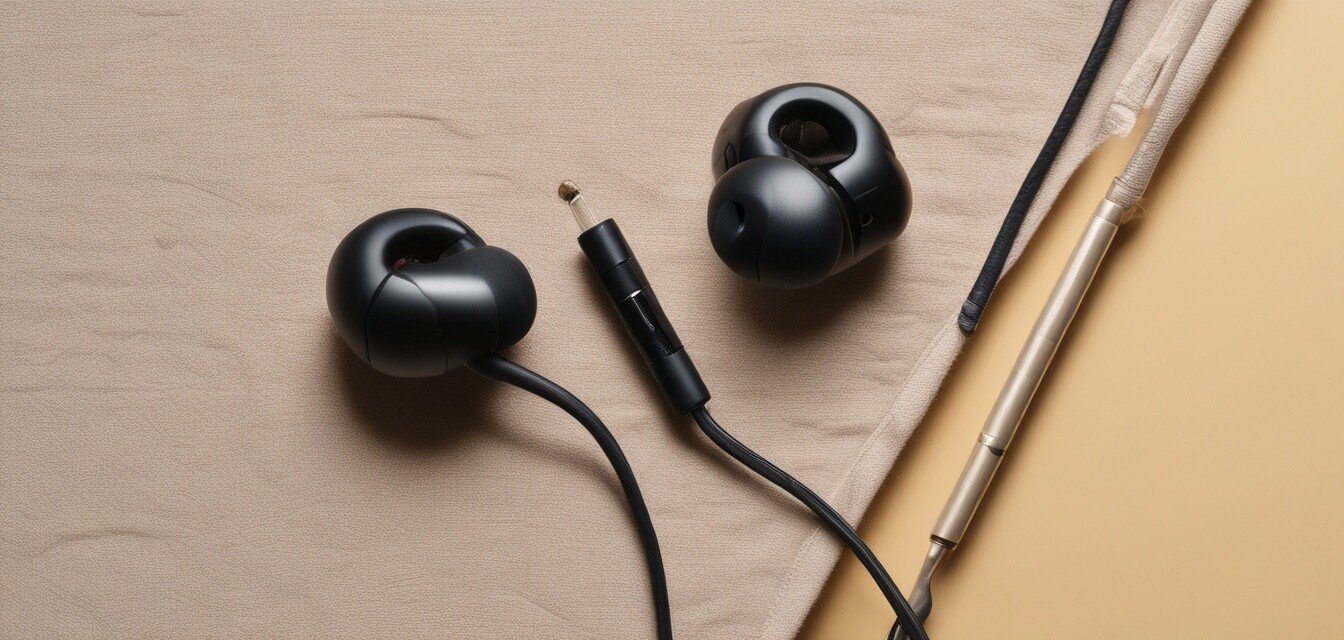
When choosing earphones for extended use, comfort is just as important as sound quality. Many listeners ask the same question before switching from regular earbuds: are IEMs comfortable for long listening sessions? In-ear monitors (IEMs) were once limited to musicians and audio professionals, but today they are increasingly used by students, remote workers, gamers, and everyday listeners who wear earphones for several hours a day. This shift has raised important questions around long-term comfort, safety, and usability.
In this in-depth guide, we explore whether IEMs are truly suitable for long listening sessions, how their design impacts comfort, what factors influence ear fatigue, and how users can optimize their listening experience for extended daily use.
If you’re looking for earphones designed for clarity, comfort, and extended listening, you can explore ZenSound IEMs built specifically for focused, everyday use.
Why Comfort Matters for Long Listening Sessions
Comfort plays a crucial role in long listening sessions, especially when earphones are used for studying, working, gaming, or attending online classes. Wearing uncomfortable earphones for long periods can lead to pressure points, soreness, headaches, or even irritation inside the ear canal. Over time, discomfort can become distracting and negatively affect productivity and enjoyment.
This is why many listeners ask: are IEMs comfortable for long listening sessions compared to regular earbuds? The answer is not simply yes or no—it depends on design, fit, ear anatomy, and listening habits. However, IEMs are specifically engineered to address many of the comfort challenges associated with long-term earphone use.
Are IEMs Designed for Long Listening Sessions?
IEMs were originally developed for professional musicians who need to monitor sound for hours during rehearsals and live performances. Comfort is not optional in these environments—it is essential. Musicians rely on IEMs to stay focused on stage without distraction or fatigue.
Unlike regular earbuds that sit loosely at the entrance of the ear canal, IEMs are shaped to follow the natural contours of the ear. This secure, in-ear fit helps distribute pressure more evenly, reducing stress on any single point of the ear. When worn correctly, this design makes IEMs comfortable for long listening sessions, even when used continuously throughout the day.
Ergonomic Shell Design and Long-Term Comfort
One of the most important factors that determines whether IEMs are comfortable for long listening sessions is their shell design. Modern IEMs use ergonomically contoured housings that rest naturally inside the ear rather than pressing against it.
Many IEMs are made from lightweight materials such as medical-grade resin or resin–metal hybrids. These materials reduce overall weight, minimizing strain during extended use. A well-designed IEM sits securely without needing frequent readjustments, allowing users to forget they are even wearing earphones.
Poorly designed earphones often require constant repositioning, which can increase irritation and fatigue. High-quality IEMs are built to remain stable, improving comfort during long listening sessions.
The Role of Ear Tips in Long Listening Comfort
Ear tips play a major role in determining whether IEMs are comfortable for long listening sessions. Even the best-designed IEM can feel uncomfortable if the ear tips are not properly chosen.
Silicone ear tips are soft, flexible, and easy to clean, making them ideal for everyday listening. Foam ear tips, on the other hand, expand to match the shape of the ear canal, offering a customized fit and improved comfort for some users.
Selecting the correct ear tip size is essential. Tips that are too small may not seal properly, while tips that are too large can cause pressure and discomfort. A proper seal ensures stability without excessive force, which is critical for maintaining comfort over long periods.
Passive Noise Isolation and Reduced Listening Fatigue
One of the biggest advantages of IEMs for long listening sessions is passive noise isolation. By sealing the ear canal, IEMs naturally block out background noise such as traffic, chatter, or fan noise.
This isolation allows listeners to enjoy audio at lower volume levels. Lower listening volumes reduce strain on the ears and help prevent listening fatigue. In contrast, regular earbuds often require higher volumes to overcome ambient noise, which can increase fatigue over time.
For students and professionals who listen for hours every day, this reduction in listening fatigue is a major reason why IEMs are often more comfortable for long listening sessions.
Do IEMs Cause Ear Damage During Long Use?
A common concern is whether IEMs are harmful due to their proximity to the eardrum. In reality, hearing damage is caused by prolonged exposure to high sound levels, not by how close the driver is to the ear.
Because IEMs isolate sound effectively, users can listen at safer volume levels. When used responsibly—keeping volume moderate and taking breaks—IEMs are no more damaging than earbuds or headphones. In many cases, they may even encourage healthier listening habits.
Comfort Comparison: IEMs vs Earbuds vs Headphones
Compared to regular earbuds, IEMs provide better stability, isolation, and pressure distribution, making them more suitable for long listening sessions. Earbuds often feel unstable and may cause discomfort as users adjust them repeatedly.
Compared to over-ear headphones, IEMs eliminate headband pressure and heat buildup. While headphones can be comfortable, they may feel heavy or warm during extended use. IEMs offer a lightweight alternative without compromising sound clarity.
Everyday Use Cases for Long Listening Sessions
IEMs are particularly well suited for:
- Online classes and remote learning
- Long work-from-home sessions
- Gaming and content consumption
- Commuting and travel
- Focused music listening
Their secure fit and comfort make them ideal for situations where earphones are worn for several hours at a time.
Tips to Maximize Comfort During Long Listening Sessions
To ensure IEMs remain comfortable for long listening sessions:
- Choose the right ear tip size and material
- Keep volume at safe, moderate levels
- Take short breaks during extended use
- Keep ear tips clean to prevent irritation
- Select lightweight, ergonomically designed IEMs
Following these practices can significantly improve long-term comfort and listening enjoyment.
Final Answer: Are IEMs Comfortable for Long Listening Sessions?
Yes—when fitted correctly and used responsibly, IEMs are comfortable for long listening sessions. Their ergonomic design, lightweight build, customizable ear tips, and passive noise isolation work together to create a focused and fatigue-free listening experience.
For listeners who spend hours each day with earphones—whether for study, work, or entertainment—IEMs often provide superior comfort and clarity compared to traditional earbuds. With the right fit and habits, they can be an excellent choice for extended everyday use.
2 thoughts on “Are IEMs Comfortable for Long Listening Sessions?”
Really nice!!
Thanks, I really appreciate that!